Welcome to the grand tour of remote work! Not too long ago, working from home meant a sick day with questionable productivity. Today, it’s a full-blown revolution. We’ve moved from ‘work from home’ to ‘work from anywhere’ as a norm, and let’s be honest, the journey has been as wild as any office gossip.
The Good Ol' Days: Office Life
Remember when the office was the only place where work happened? The 9-to-5 grind, the water cooler chats, the not-so-secret snack drawer. Those were simpler times. But they were also times of long commutes, rigid schedules, and the ever-present office politics.
The office had its charm, sure. But for many, it also came with limitations. Not everyone thrives in a cubicle. And let’s not even talk about open-plan offices—who thought that was a good idea?
The Great Shift: From Office to Anywhere
Then came 2020, and the world hit the fast-forward button on remote work. Suddenly, kitchens became offices, pets became coworkers, and Zoom became everyone’s best frenemy.
But here’s the thing—remote work wasn’t just a pandemic patch. It opened people’s eyes to what was possible. Flexibility, autonomy, and the ability to work in your pajamas (at least from the waist down) became the new normal.
The Stats Don’t Lie
Let’s talk numbers. According to various studies:
- 74% of professionals expect remote work to become standard.
- 77% of remote workers say they’re more productive when working from home.
- Companies that allow remote work have 25% lower employee turnover.
These aren’t just feel-good stats. They’re a clear signal that the way we work is changing, and there’s no going back.
Challenges Along the Way
Of course, it’s not all sunshine and Wi-Fi. Remote work comes with its own set of challenges.
Communication Breakdown
Without face-to-face interaction, misunderstandings can happen more easily. That sarcastic joke you made on Slack? It didn’t land the way you thought it would.
The Loneliness Factor
Working from home can be isolating. Not everyone has a bustling household to keep them company. Some days, the only conversation you have is with your cat. And cats aren’t great at team meetings.
Work-Life Blur
When your office is your home, it’s hard to switch off. The line between “work time” and “me time” gets blurry, and before you know it, you’re answering emails at midnight.
Tech Troubles
From dodgy Wi-Fi to outdated hardware, tech issues can derail a productive day. And let’s not forget the fun of trying to troubleshoot IT problems on your own.
The New Norms: What’s Changing
So, what does the future of remote work look like? Here are some emerging trends:
Hybrid Models
Many companies are adopting a hybrid approach—part office, part remote. This gives employees the flexibility they crave while maintaining a physical space for collaboration.
Async Communication
Not everything needs to be a meeting. Asynchronous communication tools (think Loom, Notion, and good old email) allow teams to collaborate without being online at the same time.
Focus on Outcomes
Instead of tracking hours, companies are shifting to measuring outcomes. It doesn’t matter if you work from 6 AM to 2 PM or from noon to 8 PM—what matters is what you deliver.
Digital Nomad Visas
Countries around the world are rolling out digital nomad visas, making it easier for remote workers to live and work abroad. Portugal, Estonia, and Croatia are just a few examples.
Investment in Remote Infrastructure
From better collaboration tools to reliable IT device logistics, companies are investing in the infrastructure needed to support a distributed workforce.
The IT Challenge: Equipping a Remote Workforce
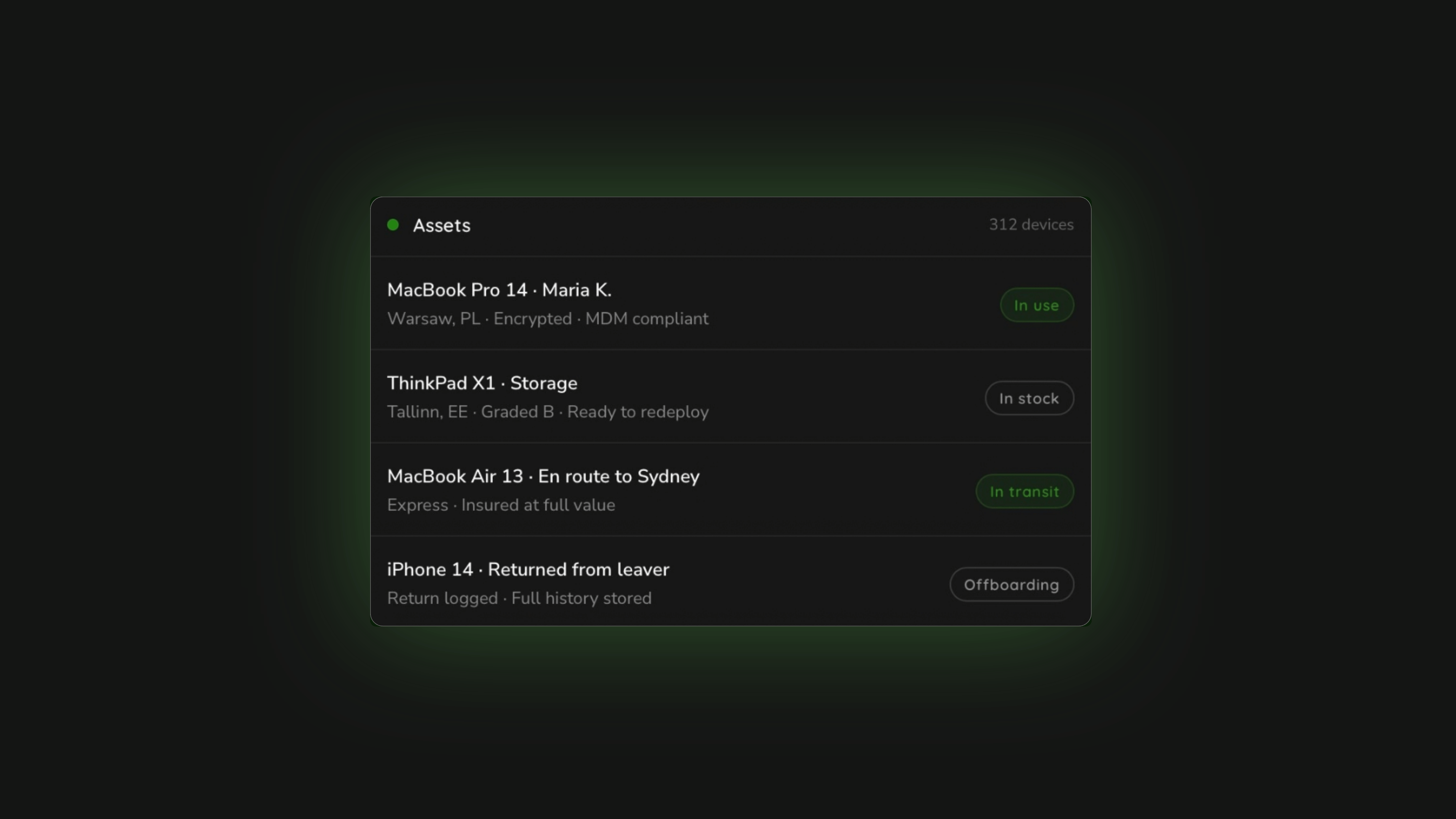
One of the biggest practical challenges of remote work is getting the right tech to your team. When your employees are spread across the globe, shipping and managing IT devices becomes a logistical puzzle.
This is where Raal comes in. Our IT Device Lifecycle Management Platform handles device provisioning, shipping, and retrieval worldwide. Whether you’re onboarding a new hire in Berlin or offboarding someone in Buenos Aires, we make sure the right equipment gets where it needs to go—safely and on time.
Tips for Embracing the New Normal
Whether you’re a company leader or a remote worker, here are some tips for thriving in the new world of work:
- Invest in the right tools — Good tech makes everything easier.
- Set clear expectations — Everyone should know what’s expected of them.
- Communicate intentionally — Over-communicate rather than under-communicate.
- Prioritize well-being — Burnout is real. Take breaks and encourage your team to do the same.
- Stay flexible — The best plans are the ones that can adapt.
Conclusion: The Future is Flexible
The evolution of remote work is far from over. As technology advances and attitudes shift, we’ll continue to see new models and norms emerge. The key is to stay adaptable, invest in the right tools and processes, and remember that at the end of the day, it’s about people, not places.
So whether you’re working from a corner office, a home office, or a café in Bali, the future of work is flexible—and that’s something worth embracing.