TL;DR
Subscription pricing spreads a fixed platform cost across predictable, steady volume, and makes sense once that volume is high enough to justify it. Per-shipment pricing scales directly with usage and makes more sense for seasonal, uneven, or lower-volume hiring. Neither model is better in the abstract. The expensive mistake is picking subscription pricing for uneven volume, or per-shipment pricing once volume is high enough that a subscription's per-unit cost would actually be lower. This is how to tell which one fits your actual pattern, not a hypothetical average.
Every device logistics provider eventually asks the same question in a sales call: how many devices do you move a month? The honest answer for a lot of distributed teams is "it depends," hiring isn't a flat monthly number, it's bursty, tied to funding rounds, seasonal pushes, and the occasional reduction. Pricing models that assume steady volume handle that reality differently, and picking the wrong one is one of the more expensive, least visible IT procurement mistakes.
It's rarely a dramatic mistake. Nobody signs a subscription and immediately regrets it. The cost shows up slowly, in months where the platform fee is paid in full against three shipments instead of thirty, in a budget line that doesn't flex when hiring plans change, in a finance team quietly wondering why the per-device cost looks so much higher this quarter than the sales deck implied. By the time it's obvious, a year of the wrong model has usually already been paid for.
The Two Models, Plainly
| MODEL | HOW IT WORKS | FITS BEST WHEN |
|---|---|---|
| Subscription | A recurring fee, usually monthly or annual, covering a platform and a volume allowance or unlimited usage | Volume is consistent and high enough that the per-unit cost beats paying individually |
| Per-shipment (pay-as-you-go) | You pay only when a device actually moves, no recurring fee | Volume is seasonal, uneven, or genuinely low |
Most providers in this category pick one model and build their whole commercial structure around it, which means the choice usually isn't "which pricing option does this vendor offer," it's "which vendor's default model happens to match how we actually hire." That's a weaker starting point than evaluating the model on its own merits first, then finding a provider that fits it.
When Subscription Pricing Actually Makes Sense
1. Volume is high and steady
If you're consistently moving a meaningful number of devices every month, a subscription's fixed cost gets spread across enough shipments that the effective per-unit price drops below what per-shipment pricing would charge for the same volume. The subscription is, in effect, a volume discount with a different name, and like any volume discount, it only pays off if the volume actually shows up.
2. You need the full platform, not just logistics
Procurement, MDM integration, a device catalogue, recycling coordination, subscription platforms typically bundle a lot more than movement alone. If you're using most of that, the subscription is buying real additional capability, not just paying a premium for the same shipping. The mistake is assuming you're using all of it when, in practice, most teams lean heavily on two or three features and pay for the rest regardless.
When Per-Shipment Pricing Actually Makes Sense
1. Hiring is seasonal or uneven
A subscription sized for your busiest month costs the same in your quietest one. If hiring genuinely fluctuates, tied to a sales cycle, a funding round, or simple unpredictability at an early-stage company, per-shipment pricing means a slow quarter actually costs less, rather than paying full freight for capacity you're not using.
2. You're a smaller team
Below a certain volume, most subscription platforms' effective per-unit cost is high enough that paying per shipment is simply cheaper, even before accounting for the platform features you're not using. There's no universal threshold here, it depends entirely on the specific subscription tier and your specific volume, which is exactly why the comparison below matters more than a general rule.
3. You just need logistics, not a full platform
If you already own your devices and handle MDM separately, you're not using most of what a subscription platform bundles in. Paying for movement alone, when that's all you need, avoids subsidising capability you won't touch. This is a more common situation than the subscription-first pricing structure common in this category would suggest, plenty of IT teams have already solved procurement and device management and just need a logistics partner for the physical movement.
A Worked Example
Numbers here are illustrative, not pulled from any specific provider's actual pricing, the point is the shape of the comparison, not a number to quote. Imagine a subscription running at a fixed monthly fee, and a per-shipment alternative charging a flat rate per device moved.
| MONTH | SHIPMENTS | SUBSCRIPTION COST (FIXED) | PER-SHIPMENT COST (VARIABLE) |
|---|---|---|---|
| Busy month | 18 | Fixed fee | 18 x per-shipment rate |
| Average month | 8 | Same fixed fee | 8 x per-shipment rate |
| Quiet month | 2 | Same fixed fee | 2 x per-shipment rate |
In the busy month, the subscription may well come out cheaper, that's the scenario it's built for. In the quiet month, the subscription cost doesn't move at all, while the per-shipment cost drops to match. The provider that looks cheaper depends entirely on which row represents your actual, typical month, averaged honestly across a real quarter rather than optimistically projected from your best one.
A QUICK WAY TO CHECK WHICH FITS YOU
- Pull your actual shipment count for the last two quarters. Not a projection, the real number.
- Ask any subscription provider what your effective per-shipment cost would have been. Subscription fee divided by actual shipments made, not divided by the plan's included allowance.
- Compare that number to a per-shipment provider's quoted rate for the same volume. This is the only comparison that reflects your real usage rather than a hypothetical average customer.
- Factor in the platform features you'd actually use. If a subscription's extra capability, procurement, MDM integration, is genuinely saving you time elsewhere, that's a real value even if the raw per-shipment math looks worse.
The trap worth naming directly: a subscription sized for projected growth that doesn't arrive on schedule. It's common to commit to a subscription tier based on expected hiring, then have that hiring slip by two or three quarters, leaving the fixed cost running against actual volume that doesn't justify it yet. If your growth forecast has any real uncertainty, pricing that scales with actual usage removes that specific risk entirely.
The Hidden Costs People Forget to Compare
The headline monthly or per-shipment number is rarely the whole picture. A few things worth asking about explicitly, for either model, before signing anything:
Minimum commitment length. A subscription with a 12-month minimum term, agreed to during a growth phase, becomes a real liability if headcount plans change. Ask what happens if volume drops well below what the tier assumed.
Onboarding time. Some subscription platforms require a sales process and implementation period before the first shipment goes out. If that's measured in weeks, factor that delay into the real cost of switching, not just the monthly fee.
What counts as a "shipment" for billing purposes. Per-shipment pricing sounds simple until you find out a single retrieval that requires a reshipment due to a failed delivery attempt counts as two billable events under one provider's terms and one under another's.
Cancellation and downgrade terms. Subscription tiers are often easy to upgrade into and deliberately harder to step back down from mid-contract. Ask specifically what happens if you need to drop a tier six months into a term, not just what the sign-up process looks like.
Where Raal Fits
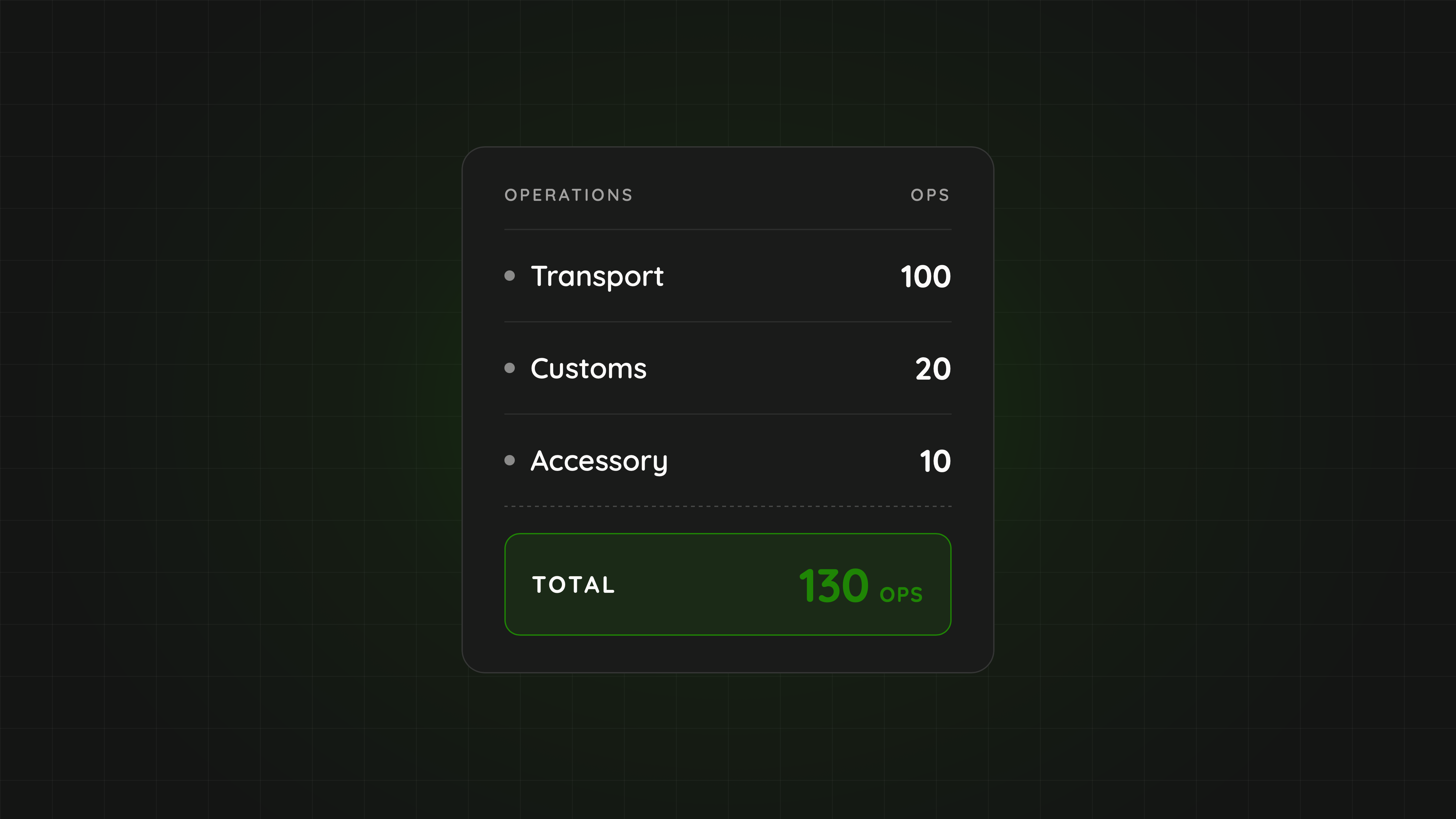
Raal prices per shipment through an OPS credit system, no subscription minimum, pay only when a device actually moves. For teams with steady, high volume, that may not be the cheapest structure available, and a subscription platform bundling procurement and MDM integration might genuinely be worth the fixed cost. For teams with seasonal or uneven hiring, or anyone who's done the actual-usage math above and found a subscription running ahead of real volume, per-shipment pricing removes that specific risk, and removes the need to forecast hiring accurately just to pick the right pricing tier.
Related: Workwize Alternatives: 6 Tools Compared for Global IT Device Management
Related: 12 Questions to Ask Before Choosing a Global IT Device Logistics Provider
FAQ
Is per-shipment pricing always cheaper than subscription?
No. At high, steady volume, a subscription's effective per-unit cost can be lower than paying per shipment. The right comparison is always against your actual shipment count, not a general assumption about which model is cheaper.
What's a reasonable volume threshold for considering a subscription?
This varies by provider and plan, which is exactly why running the actual-usage math in this article matters more than a rule of thumb. Ask any subscription provider directly what your effective per-shipment cost would have been over your last two actual quarters, not their advertised average.
Can you switch from subscription to per-shipment pricing, or the reverse, later?
Depends on the provider and any commitment terms in your contract. Worth checking before signing, particularly whether a subscription has a minimum term that would lock you in through a volume drop.
About Raal: Raal handles IT device logistics for global teams on a per-shipment OPS credit system, no subscription minimum, pay only for the shipments you actually make. See current pricing →